




Notice
During the hot summer months, all plants are shipped in full leaf and active growth. While we take
great care in packing, transit heat and confinement can cause temporary shipping shock such as minor
leaf wilt or yellowing. This is normal and recovery begins once plants are watered and acclimated
after arrival. For best results, unpack immediately upon delivery and keep plants well-watered in a
shaded area for several days before planting. We highly recommend buying 2nd day air service for all
Quart size plants and trees, so they will arrive faster during the heat of summer.
Limelight Hydrangea Tree | Proven Winners® Paniculata Hydrangea
Regular price
$169.99




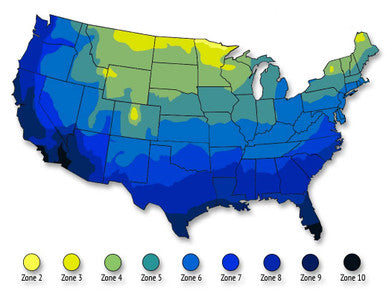
Zone Map


Proven Winners®
Limelight Hydrangea Tree | Proven Winners® Paniculata Hydrangea
Regular price
$169.99

Proven Winners®
Limelight Hydrangea Tree | Proven Winners® Paniculata Hydrangea
Description
Limelight Hydrangea Standard Tree | Hydrangea paniculata 'Limelight' USPP 12,874, Can 2,319
Proven Winners Award-Winning Variety | Plant of Merit 2010 | Consumer Top Hydrangea 2020
BEST VALUE/FREE SHIPPING: 5 Gallon Size
Premier specimen with substantial trunk, established crown, instant landscape impact
FILL MY BOX & SAVE 15%
Buy any 2 plants and automatically save 15% at checkout
Why Limelight Hydrangea Tree is Trending in 2026 Gardens
- Standard tree form delivers instant architectural impact - no years of waiting for mature height
- Climate-adaptive performer thrives zones 3-9, handling extreme cold and summer heat
- Low-water landscaping solution - drought tolerant once established, perfect for water-conscious gardens
- Four-season interest trend - lime-green to white to pink blooms, plus burgundy fall foliage
- Container gardening boom - ideal for patios, entryways, and small-space luxury
- Cut flower renaissance - massive blooms perfect for fresh arrangements and dried crafts
Plant Highlights - What You Need to Know
- Botanical Name: Hydrangea paniculata 'Limelight' USPP 12,874, Can 2,319
- Brand: Proven Winners
- Hardiness Zones: 3-9 (exceptional cold tolerance)
- Mature Size: 6-8' tall x 6-8' wide
- Growth Rate: Moderate with rapid bloom production
- Form: Hand-crafted standard tree with single trunk and rounded crown
- Trunk Caliper: 3/4" to 1" (substantial, mature appearance)
- Container Size: 5-gallon premier specimen
- Bloom Color Progression: Pale lime-green → creamy white → pink → burgundy
- Bloom Size: Giant cone-shaped panicles up to 12" long
- Bloom Period: Summer through fall (extended season)
- Bloom Type: Flowers on new wood (current season's growth)
- Foliage Color: Dark green summer, red-burgundy fall
- Fall Interest: Colorful foliage and persistent dried blooms
- Type: Deciduous flowering tree
- Sun Requirements: Full sun to part shade (best blooms in full sun)
- Water Needs: Moderate; drought tolerant once established
- Soil Preference: Moist, well-drained; adapts to various soil types
- Pruning Needs: Late winter/early spring before new growth
- Awards: Plant of Merit 2010, Consumer Top Hydrangea 2020
- Grown by: The Plant Factory
Premium Features That Solve Your Garden Challenges
Challenge: Waiting Years for Mature Specimens
Our premier 5-gallon standard tree arrives as an instant focal point with a substantial 3/4" to 1" caliper trunk and well-branched crown. No waiting 3-5 years for tree form - you get immediate landscape impact the day you plant. The 5-gallon size offers superior root development and faster establishment compared to smaller containers.
Challenge: Weak Stems and Flopping Blooms
Unlike many hydrangeas that flop under the weight of heavy blooms, Limelight features sturdy, upright stems that support massive flower clusters without staking. The standard tree form elevates blooms to eye level for maximum visual impact without the mess.
Challenge: Short Bloom Season
Limelight delivers months of continuous color transformation. Blooms emerge pale lime-green in early summer, transition to creamy white at peak, then shift to pink and burgundy tones through fall. One plant, four distinct color phases.
Challenge: Limited Cold Hardiness
Most hydrangeas struggle in cold climates. Limelight thrives in zone 3, surviving temperatures to -40°F. The panicle type blooms on new wood, so even if winter damages stems, spring growth produces full bloom display.
Challenge: High Water Demands
Once established, Limelight exhibits impressive drought tolerance. Deep roots access moisture during dry spells. The 5-gallon size establishes faster with more extensive root systems, reaching drought tolerance sooner than smaller plants.
Challenge: Pest and Disease Susceptibility
Limelight demonstrates notable resistance to common hydrangea pests and diseases. Proven Winners breeding ensures vigorous, healthy plants that perform reliably season after season without constant intervention.
Challenge: Limited Versatility
Use as specimen tree, flowering hedge (plant 6-7' apart), container focal point, pollinator garden anchor, or cut flower source. The standard tree form works in formal and informal designs, small yards and expansive estates.
Frequently Asked Questions
Q: What size tree will I receive?
A: You'll receive our premier 5-gallon standard tree already 4 feet tall with a 3/4" to 1" caliper trunk and well-branched crown. This is a substantial, mature-looking specimen ready for immediate landscape impact. The 5-gallon size is the optimal choice for standard trees, offering superior root development, faster establishment, and better first-season performance than smaller containers.
Q: Will my tree be blooming when it arrives?
A: Blooms are often trimmed before shipping as they don't travel well and can stress the plant. Your Limelight will bloom prolifically once established - typically the first season after planting. Think of this as an investment in years of spectacular displays.
Q: How is a standard tree different from a regular hydrangea?
A: A standard tree is hand-grafted or trained to grow on a single trunk with a rounded crown, creating a tree form rather than a multi-stemmed shrub. This elevates blooms to eye level, creates architectural interest, and works beautifully in formal settings or containers.
Q: Can I grow this in a container?
A: Absolutely. Limelight standard trees excel in containers for patios, entryways, and balconies. Use a minimum 15-20-gallon container with excellent drainage. Container plants require more frequent watering and fertilizing than in-ground specimens.
Q: How do I prune a standard tree form?
A: In late winter/early spring before new growth, remove about 1/3 to 1/2 of the previous year's growth from the crown. This maintains shape, controls size, and maximizes bloom production. Never prune the main trunk - only the branched crown.
Q: Why do the blooms change color?
A: Limelight's color transformation is natural and desirable. Blooms emerge lime-green, mature to creamy white at peak, then age to pink and burgundy tones as temperatures cool in fall. This progression provides months of evolving interest.
Q: Will this attract pollinators?
A: Yes. Limelight attracts bees, butterflies, and other beneficial pollinators throughout its extended bloom period. The accessible flower structure provides excellent nectar sources for local ecosystems.
Q: Is Limelight deer resistant?
A: No, hydrangeas are not deer resistant. In areas with high deer pressure, consider fencing, repellents, or companion planting with deer-resistant species.
Q: Can I plant this in shade?
A: Limelight tolerates part shade but produces the most abundant blooms in full sun (6+ hours direct sunlight). In too much shade, expect fewer, smaller flower clusters and leggier growth.
Q: How long do the blooms last?
A: Individual flower clusters last 8-12 weeks, transforming through multiple color phases. The overall bloom season extends from early summer through fall frost - often 4-5 months of continuous display.
Q: Can I use the blooms for arrangements?
A: Absolutely. Limelight is prized for fresh-cut arrangements and dried flowers. Cut stems when blooms reach desired color, strip lower leaves, and place in water immediately. For drying, hang upside down in a dark, dry location.
Q: What's the difference between panicle and mophead hydrangeas?
A: Panicle hydrangeas (like Limelight) produce cone-shaped flower clusters, bloom on new wood (current season's growth), and are more cold-hardy. Mophead hydrangeas produce rounded flower balls, bloom on old wood, and are less cold-tolerant.
Q: Why is the 5-gallon size the best choice?
A: The 5-gallon container provides the ideal balance of established root system, substantial trunk caliper, and mature crown development for standard tree forms. Larger root mass means faster establishment, better drought tolerance, and superior first-season bloom production compared to smaller sizes.
Expert Growing Guide
For Novice Gardeners - Simple Success Steps:
Step 1: Choose Your Location
Select a spot with full sun to part shade (6+ hours sun for best blooms). Ensure good drainage - avoid areas where water pools after rain. Consider visibility - this tree deserves a prominent position where you'll enjoy it daily.
Step 2: Prepare the Planting Hole
Dig a hole 2-3 times wider than the root ball but just as deep. Mix removed soil 50/50 with compost or aged manure to improve drainage and add nutrients. This creates an ideal transition zone for expanding roots.
Step 3: Plant at Proper Depth
Carefully remove the tree from its container, gently loosening circling roots. Place in the hole so the top of the root ball is level with surrounding soil - never bury the trunk. Backfill with amended soil, firming gently to eliminate air pockets.
Step 4: Water Thoroughly
Water deeply immediately after planting until water pools on the surface. Keep soil consistently moist (not waterlogged) for the first 6-8 weeks while roots establish. Deep, infrequent watering encourages deep root development.
Step 5: Mulch and Stake if Needed
Apply 2-3" of mulch around the base, keeping it 3-4" away from the trunk to prevent rot. If planting in a windy location, stake the trunk loosely for the first year to prevent movement while roots establish.
Step 6: First-Year Care
Fertilize in early spring with slow-release fertilizer (like our SR-18-5-10). Water during dry spells - aim for 1" of water per week including rainfall. Don't prune the first year except to remove damaged branches. Let the tree focus energy on root establishment.
Step 7: Annual Pruning (Year 2+)
In late winter/early spring before buds swell, prune the crown back by 1/3 to 1/2. Cut just above outward-facing buds to encourage open, attractive branching. Remove any dead, damaged, or crossing branches. This seems aggressive but maximizes bloom production.
Step 8: Enjoy the Transformation
Watch blooms emerge lime-green in early summer, transition to white at peak, then shift to pink and burgundy in fall. Enjoy the burgundy fall foliage. Leave dried blooms for winter interest or cut for dried arrangements.
For Experienced Gardeners - Technical Details:
Hydrangea paniculata 'Limelight' standard form performs optimally in USDA zones 3-9, demonstrating exceptional cold tolerance to -40°F (zone 3) and heat tolerance through zone 9. Full solar exposure (minimum 6 hours direct insolation) maximizes inflorescence production, though partial shade is tolerated with reduced bloom density.
Soil adaptability is broad - pH range 5.5-7.5 with preference for slightly acidic to neutral substrates. Unlike H. macrophylla, panicle hydrangeas do not exhibit pH-dependent color variation. Soil structure should provide adequate drainage while maintaining consistent moisture availability. Amend heavy clay with organic matter to improve porosity; amend sandy soils to increase water retention.
Premier 5-gallon specimens arrive with established graft unions or trained single-trunk architecture and superior root-to-shoot ratios. The larger container volume provides extensive root development, accelerating establishment timeline and improving transplant success rates. Maintain trunk integrity - all pruning occurs in the crown only. Root system establishment typically requires 8-12 months for full drought tolerance with 5-gallon stock, compared to 12-18 months for smaller containers.
Flowering occurs exclusively on current season's growth (new wood), making late winter/early spring pruning optimal. Implement renewal pruning by removing 1/3 to 1/2 of previous year's growth from the crown in February-March (before bud break). This stimulates vigorous vegetative growth and maximizes inflorescence size and quantity. Avoid summer pruning which removes developing flower buds.
Nutrient requirements are moderate. Apply balanced slow-release fertilizer (NPK ratio 18-5-10 or similar) at 2 lbs. per 100 sq. ft. in early spring. Avoid excessive nitrogen which promotes vegetative growth at the expense of floral development. Supplemental phosphorus enhances bloom quality. Maintain consistent soil moisture during bud development and anthesis for optimal flower size.
Inflorescence color progression is genetically programmed and environmentally influenced. Initial lime-green coloration results from chlorophyll presence in sepals. As chlorophyll degrades, creamy white pigmentation dominates. Pink-burgundy tones develop as anthocyanins accumulate in response to cooler temperatures and senescence. This natural progression provides 4-5 months of dynamic color interest.
Pest and disease pressure is minimal. Occasional aphid or spider mite infestations respond to horticultural oil or insecticidal soap. Powdery mildew may occur in humid, poorly ventilated sites - ensure adequate air circulation and avoid overhead irrigation. Botrytis blight can affect spent blooms in wet conditions - remove affected tissue promptly.
Propagation via softwood or semi-hardwood cuttings (June-August) with rooting hormone application. Standard tree form requires grafting or multi-year training - not practical for home propagation. Cultivar is patented (USPP 12,874) - unauthorized propagation prohibited.
Pro Tips for Maximum Impact
- Specimen Placement: Position as focal point at garden entries, path intersections, or lawn corners where the architectural form commands attention from multiple angles
- Hedge Strategy: Plant 6-7 feet apart for a stunning flowering hedge that provides privacy, pollinator habitat, and seasonal color progression
- Container Pairing: Use matching pairs flanking doorways, gates, or patios for formal symmetry and instant elegance
- Color Timing: For white blooms at specific events, count back 4-6 weeks from your target date - blooms transition from lime to white in mid-summer
- Cut Flower Harvest: Cut stems in early morning when hydrated, at your preferred color stage. Recut stems underwater and condition in deep water for 2-4 hours before arranging
- Dried Flower Technique: For best dried blooms, harvest when flowers reach pink stage, strip foliage, and hang upside down in dark, dry location for 2-3 weeks
- Companion Planting: Underplant with shade-tolerant perennials like Hostsa, ferns, or Astilbe to create layered interest and maximize space
- Winter Interest: Leave dried blooms and seed heads through winter for architectural interest and bird habitat, then prune in late winter
- Fertilizer Timing: Apply slow-release fertilizer in early spring as buds swell. Avoid late-season fertilizing which promotes tender growth vulnerable to winter damage
- Water Conservation: Once established (year 2+), deep watering every 7-10 days during drought is sufficient. Mulch layer conserves moisture and reduces irrigation needs
- 5-Gallon Advantage: The premier 5-gallon size establishes 30-40% faster than smaller containers, often blooming heavily the first season with proper care
Take Action Now
Premier 5-gallon standard tree specimens sell out quickly during pre-blooming periods (April-May) and peak planting season. Our hand-crafted trees with substantial trunks and established crowns offer instant landscape transformation. Order today to secure your Limelight Hydrangea Tree before inventory is depleted.
Ordering & Shipping Information
Processing Time: Orders are typically processed within 1-3 business days. Orders placed after 4:00 PM Wednesday through Sunday ship the following Monday.
Shipping Protection: Plant Factory Direct uses premium shipping processes to ensure your trees arrive healthy and ready to thrive. We monitor weather conditions and may temporarily hold shipments during temperature extremes (below 34°F or above 95°F) to protect plant viability. This ensures you receive the healthiest possible specimen.
Seasonal Expectations: Tree size and appearance vary by season. Spring specimens may be trimmed back for optimal transplant success. Summer/fall trees may show active growth and foliage. Blooms are often removed before shipping as they don't travel well and can stress the plant. All trees are hand-selected for vigorous root systems, substantial trunk caliper, and future performance potential.
Care Recommendation: Fertilize in early spring with our SR-18-5-10 slow-release fertilizer for maximum growth, bloom production, and plant health. Prune annually in late winter to maintain shape and maximize flowering.
Best for:
- ✅ Entryways and patios
- ✅ Flowering specimen plantings
- ✅ Smaller landscapes needing an upright focal point
- ✅ Fresh or dried flower arrangements
Not ideal for:
- ❌ Deep shade
- ❌ Persistently wet soil
- ❌ Undersized containers
- ❌ Unprotected areas with heavy deer activity
Key facts:
- 🌿 USDA Zones 3–9
- ☀️ Full sun to part shade
- 📏 Mature size: approximately 6–8 ft. tall and wide
- 🌸 Blooms on new wood from summer into fall
- 🎨 Flowers change from lime green to white, pink, and burgundy
- ✂️ Prune the crown in late winter or early spring