




Notice
During the hot summer months, all plants are shipped in full leaf and active growth. While we take
great care in packing, transit heat and confinement can cause temporary shipping shock such as minor
leaf wilt or yellowing. This is normal and recovery begins once plants are watered and acclimated
after arrival. For best results, unpack immediately upon delivery and keep plants well-watered in a
shaded area for several days before planting. We highly recommend buying 2nd day air service for all
Quart size plants and trees, so they will arrive faster during the heat of summer.
American Holly - Ilex opaca
Regular price
$149.99



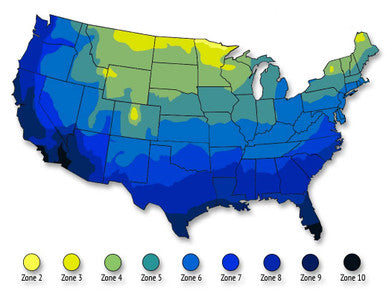
Zone Map




Plant Factory Direct
American Holly - Ilex opaca
Description
Pyramid American Holly | Ilex opaca 'American Holly'
The Plant Factory Choice | Classic American Evergreen | Holiday Icon for Your Landscape
BEST VALUE: Premium 5 Gallon — Landscape Ready
4-5 feet tall, nursery grown specimen — professional landscaper quality, faster establishment, bigger impact from day one
BUDGET-FRIENDLY STARTER: Premium 3 Gallon
2-3 & 3-4 feet tall — same genetics, same nursery quality, great entry-level option for patient growers
FILL MY BOX & SAVE
1 plant = original price | Buy 2 plants = Save 15%
Savings apply automatically at checkout
Why American Holly is Trending since 2020 for Landscapes
- Year-round evergreen structure — glossy dark green foliage delivers four-season beauty when other trees go bare
- Holiday landscape icon — brilliant red berries from fall through winter create natural festive color without decorating
- Wildlife habitat movement — berries feed birds all winter while spring flowers attract pollinators
- Deer-resistant screening — spiny leaves naturally deter deer, making it ideal for property borders and privacy hedges
- Low-maintenance legacy tree — once established, this long-lived native requires minimal care and rewards for decades
What This Plant Does For You
- Transforms bare winter landscapes into vibrant, color-rich scenes with persistent red berries through the coldest months
- Creates natural privacy screens and windbreaks that stay green and full 365 days a year
- Establishes a permanent landscape anchor that grows 20-40 feet tall — a true legacy planting
- Provides critical winter food for birds, turning your yard into a wildlife sanctuary
- Delivers holiday-ready curb appeal every year without lifting a finger — nature does the decorating
- Protects your property perimeter with deer-resistant, spiny foliage that wildlife naturally avoids
Plant Highlights
- Botanical Name: Ilex opaca
- Brand: The Plant Factory Choice
- Hardiness Zones: 5-9
- Sizes Available: 3 Gallon | 2-3 Feet Tall | 5 Gallon | 4-5 Feet Tall
- Mature Height: 20-40 feet
- Mature Width: 10-20 feet
- Growth Rate: Rapid
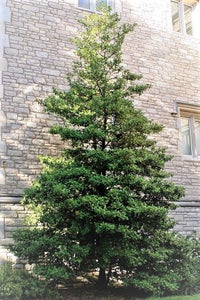
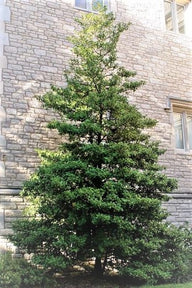
- Form: Classic pyramidal evergreen
- Foliage: Glossy dark green, evergreen
- Flower Color: White (late spring)
- Berry Color: Bright red (fall through winter)
- Fragrance: Slight
- Sun Requirements: Full sun
- Water Needs: Moderate; drought tolerant once established
- Soil Preference: Tolerant to many soils; well-draining preferred
- Pollination: Dioecious — requires male hollies nearby for berry production
- Pruning Needs: Minimal; light shaping in early spring
- Grown by: The Plant Factory
Choose Your Size
3 Gallon | 2-3 Feet Tall — $89.99
The budget-friendly entry point. Same nursery-grown genetics, same quality stock. Ideal for gardeners who enjoy watching a plant grow from a younger stage. Establishes quickly and begins rapid growth immediately.
5 Gallon | 4-5 Feet Tall — $149.99
The landscape-ready choice. Arriving at 4-5 feet tall, this nursery grown specimen delivers immediate visual impact. Preferred by professional landscapers for faster establishment, stronger root systems, and a more dramatic presence from day one. If you want results now, this is your size.
Premium Features & Solutions
Four-Season Evergreen Structure
While deciduous trees go bare, American Holly maintains its glossy dark green pyramidal form year-round. It anchors the landscape in winter when structure matters most, providing visual weight and color when everything else has faded.
Brilliant Red Berry Display
Female trees produce vibrant red berries that ripen in fall and persist through winter — nature's holiday decoration. The berry display is most dramatic from November through February, exactly when your landscape needs color most. Plant one male for every 3-5 females for maximum berry production.
Deer-Resistant Perimeter Planting
American Holly's spiny leaves are naturally avoided by deer and rabbits. Use as a living fence, property border, or foundation planting where deer pressure is a constant challenge. No sprays, no fencing, no frustration.
Wildlife Habitat Value
Berries provide critical winter food for over 18 species of birds including robins, cedar waxwings, and mockingbirds. Spring flowers attract bees and pollinators. One tree creates a complete wildlife ecosystem in your yard.
Rapid Growth to Legacy Size
American Holly grows rapidly, establishing quickly from either size and building toward its impressive 20-40 foot mature height. The 5-gallon size gives you a head start — arriving already established and ready to accelerate.
Low-Maintenance Durability
Once established, American Holly is remarkably self-sufficient. Drought tolerant, pest and disease resistant, and requiring only occasional light pruning. A true set-it-and-forget-it landscape investment.
Smart Growing Guide
For Beginner Gardeners — Step-by-Step Success:
Step 1: Plan for Pollination
American Holly is dioecious — female trees produce berries only when a male tree is nearby. If you want berries (and you do!), plant at least one male for every 3-5 female trees within 50 feet. Ask us about male companion trees.
Step 2: Choose Your Location
Select a full-sun spot with good drainage. American Holly tolerates many soil types but performs best with at least 6 hours of direct sun. Consider mature size — this tree reaches 20-40 feet, so give it room to grow away from structures.
Step 3: Prepare the Planting Hole
Dig a hole 2-3 times wider than the root ball but just as deep. Mix removed soil with compost to improve drainage and nutrition. Avoid planting too deep — the root ball top should be level with surrounding soil.
Step 4: Plant and Water In
Remove from the container, gently loosen circling roots, and place in the hole. Backfill with amended soil, firm gently, and water deeply. Keep soil consistently moist for the first full growing season.
Step 5: Mulch for Success
Apply 2-3" of organic mulch around the base, keeping it 3-4" away from the trunk. Mulch conserves moisture, moderates soil temperature, and suppresses weeds during the critical establishment phase.
Step 6: First-Year Care
Fertilize in early spring with our SR-18-5-10 slow-release fertilizer. Water during dry spells — aim for 1" per week. Use our Moisture Maxx wetting agent to maximize water efficiency. Minimal pruning needed the first year.
Step 7: Ongoing Maintenance
Once established (typically year 2+), American Holly becomes largely self-sufficient. Light pruning in late winter/early spring to remove crossed branches and maintain pyramidal shape. Fertilize annually in early spring. Enjoy the show.
For Advanced Gardeners — Technical Details:
Ilex opaca performs optimally in USDA zones 5-9 with full solar exposure (minimum 6 hours direct insolation). Soil pH tolerance ranges 4.5-6.0 (acidic to slightly acidic preferred). Amend alkaline soils with sulfur to lower pH for optimal nutrient uptake and foliage color.
Dioecious reproductive biology requires strategic planting ratios. Optimal pollination achieved with 1 male per 3-5 females within 50-foot radius. Male bloom timing must overlap with female receptivity — select male cultivars with synchronized bloom periods. Wind and insect pollination both contribute to fruit set.
Rapid growth rate (12-24" per year under optimal conditions) from nursery stock. Root system establishment typically requires 12-18 months before full drought tolerance develops. Deep, infrequent irrigation during establishment encourages deep rooting and long-term resilience. The 5-gallon size enters this establishment phase with a significant head start.
Nutrient requirements moderate. Apply acidifying slow-release fertilizer (18-5-10 NPK or similar) in early spring. Avoid high-phosphorus formulations which can inhibit iron uptake in acidic soils. Foliar iron applications correct chlorosis in high-pH soils. Mulch with pine bark or wood chips to maintain soil acidity as organic matter decomposes.
Pest and disease pressure generally low. Monitor for holly leaf miner (Phytomyza ilicicola) — yellow serpentine mines in leaves; control with systemic insecticide in spring. Scale insects (Pulvinaria innumerabilis) respond to horticultural oil applications in late winter. Leaf spot (Phytophthora ilicis) managed through improved air circulation and avoiding overhead irrigation.
Pruning best performed in late winter/early spring before new growth. Pyramidal form is natural and requires minimal intervention. Remove dead, damaged, or crossing branches. Avoid heavy pruning which removes berry-producing wood on female trees. Harvested branches with berries make excellent holiday decorations.
Pro Tips for Maximum Impact
- Berry Maximizer: Plant in groups of 3-5 females with 1 male for a spectacular winter berry display — mass plantings create a dramatic red-and-green holiday landscape
- Privacy Screen: Space 6-8 feet apart for a dense, deer-resistant evergreen screen that provides year-round privacy and grows taller every year
- Foundation Anchor: Use as corner plantings at building foundations where the pyramidal form provides architectural structure and four-season interest
- Bird Garden Strategy: Pair with other berry-producing plants (winterberry, beautyberry, viburnum) to create a complete winter wildlife buffet that attracts dozens of bird species
- Holiday Harvest: Cut berry-laden branches in November for fresh holiday wreaths and arrangements — the berries last 2-3 weeks cut
- Go Bigger for Faster Results: Choose the 5-gallon size when you want immediate landscape presence — the extra establishment head start pays dividends in the first growing season
Frequently Asked Questions
Q: What sizes are available and which should I choose?
A: We offer two sizes: the 3-gallon (2-3 feet tall, $89.99) and the 5-gallon landscape-ready (4-5 feet tall, $149.99). The 5-gallon is our best value for immediate impact — it arrives as a nursery grown specimen with a stronger root system and more established structure. The 3-gallon is a great budget-friendly starter with the same genetics and quality.
Q: Do I need more than one tree to get berries?
A: Yes. American Holly is dioecious — you need both a male and female tree for berry production. Female trees produce the berries; male trees provide the pollen. Plant at least one male for every 3-5 females within 50 feet for best results.
Q: How fast will my tree grow?
A: American Holly is a rapid grower, typically adding 12-24 inches per year under good conditions. The 5-gallon tree arrives already at 4-5 feet and continues accelerating from there. The 3-gallon tree can reach 6-8 feet within 3-4 years.
Q: What size does American Holly reach at maturity?
A: Expect 20-40 feet tall with a 10-20 foot spread in its classic pyramidal form. This makes it an excellent specimen tree, screening plant, or windbreak for larger landscapes.
Q: Is American Holly truly deer resistant?
A: Yes. The spiny leaves are naturally avoided by deer and rabbits. It's one of the most reliable deer-resistant evergreen trees available for zones 5-9.
Q: When do the berries appear?
A: Berries ripen in fall (October-November) and persist through winter, often remaining on the tree until February or March. The display is most dramatic from Thanksgiving through Valentine's Day.
Q: Can I use the branches for holiday decorations?
A: Absolutely. American Holly branches with berries are classic holiday decoration material. Cut in November, they last 2-3 weeks fresh. The glossy leaves and red berries are iconic in wreaths, garlands, and centerpieces.
Q: How much sun does it need?
A: Full sun (6+ hours direct sunlight) produces the best growth rate and berry production. American Holly tolerates part shade but grows more slowly and produces fewer berries in reduced light.
Q: Is it pet friendly?
A: No. American Holly berries and leaves are toxic to dogs and cats. Plant in areas where pets don't have unsupervised access.
Q: What's the best fertilizer for American Holly?
A: Use our SR-18-5-10 slow-release fertilizer in early spring. American Holly prefers slightly acidic soil, so an acidifying fertilizer formulated for evergreens is ideal for maximum growth and foliage color.
Q: Can I save money by buying multiple plants?
A: Yes — our Fill My Box discount saves you 15% automatically when you add 2 American Holly plants to your cart. No code needed.
Take Action Now — Limited Stock on Both Sizes
Our 5-gallon landscape-ready trees and 3-gallon starter plants are both in stock now. The 5-gallon sells out fastest — order today to secure your nursery grown specimen before inventory is gone.
Ordering & Shipping Information
Processing Time: Orders are typically processed within 1-3 business days. Orders placed after 4:00 PM Wednesday through Sunday ship the following Monday.
Shipping Protection: Plant Factory Direct uses premium shipping processes to ensure your trees arrive healthy and ready to thrive. We monitor weather conditions and may temporarily hold shipments during temperature extremes (below 34°F or above 95°F) to protect plant viability.
Seasonal Expectations: Tree size and appearance vary by season. All trees are hand-selected for vigorous root systems and future performance potential. Blooms and berries may be trimmed before shipping as they don't travel well.
What Makes Plant Factory Direct Different: We grow our plants right here at our nursery using top-tier horticultural practices. Our knowledgeable staff selects your trees with the same care we'd use for our own landscapes. We're committed to exceptional "out of the box" experiences, responsive customer service, and rapid issue resolution.
Care Recommendation: Fertilize in early spring with our SR-18-5-10 slow-release fertilizer. Use Moisture Maxx wetting agent to maximize water efficiency during establishment.
Note: The images and videos on our site are the best way to show off our products and show how good we are as growers. Depending on the season you buy, you may get a plant that is smaller or bigger than the picture shows. The plant might bloom like it does on our site, but it might not. We cut off the blooms most of the time because they don't ship well. When you buy our plants, think of them as an investment in your future garden, and enjoy the process of seeing it grow to its fullest.