


Attracts Bees
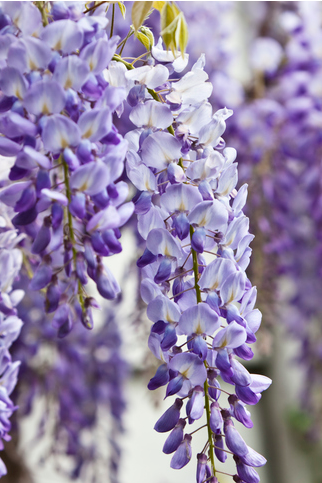
When a plant is labeled “Attracts Bees,” it means the plant naturally produces nectar and pollen that bees can easily find and feed on, helping support healthy pollinator populations in your garden. This kind of plant typically has blooms that are rich in food, easy for bees to access, and appear over a long season so bees have reliable forage from spring through fall.
What it means in the garden
-
The plant offers nectar and pollen that serve as high‑energy food for bees at different stages of their life cycle.
-
Flowers are usually open, single, or simply shaped so bees can reach the nectar and pollen without struggling.
-
Bloom time is often extended or staggered, giving bees something to feed on beyond short peak seasons.
-
These plants contribute to better pollination of fruits, vegetables, and ornamentals in the surrounding area, which can improve yields and seed set.
Why both novices and experts use it
-
Novice gardeners can rely on this label as a quick indicator that a plant is pollinator‑friendly without needing deep plant knowledge.
-
Experienced gardeners use bee‑attracting plants strategically to create pollinator corridors, anchor beds, and succession plantings that keep food available for bees all year.
-
Both groups benefit from healthier ecosystems, more beneficial insects, and often fewer pest issues when bee‑attracting plants are combined with reduced pesticide use.
Practical notes and expectations
-
Many bee‑attracting plants also draw butterflies, hoverflies, and other helpful pollinators, so the label often signals a broader pollinator value.
-
These plants may have more insect activity around them, so they are best sited a comfortable distance from seating areas and doorways while still near fruiting crops or flower beds.
-
bee friendly
-
pollinator magnet
-
nectar rich
-
pollen rich
-
pollinator garden
-
beneficial insects
-
wildlife habitat
-
flower‑rich borders
-
continuous bloom
-
low‑pesticide gardening


